
What Is Traditional Interior Design?
Traditional interior design is a timeless style rooted in 18th- and 19th-century European aesthetics. It reflects classical Western ideas of domestic life, focusing on symmetry, balance, and a sense of history.
Key Characteristics
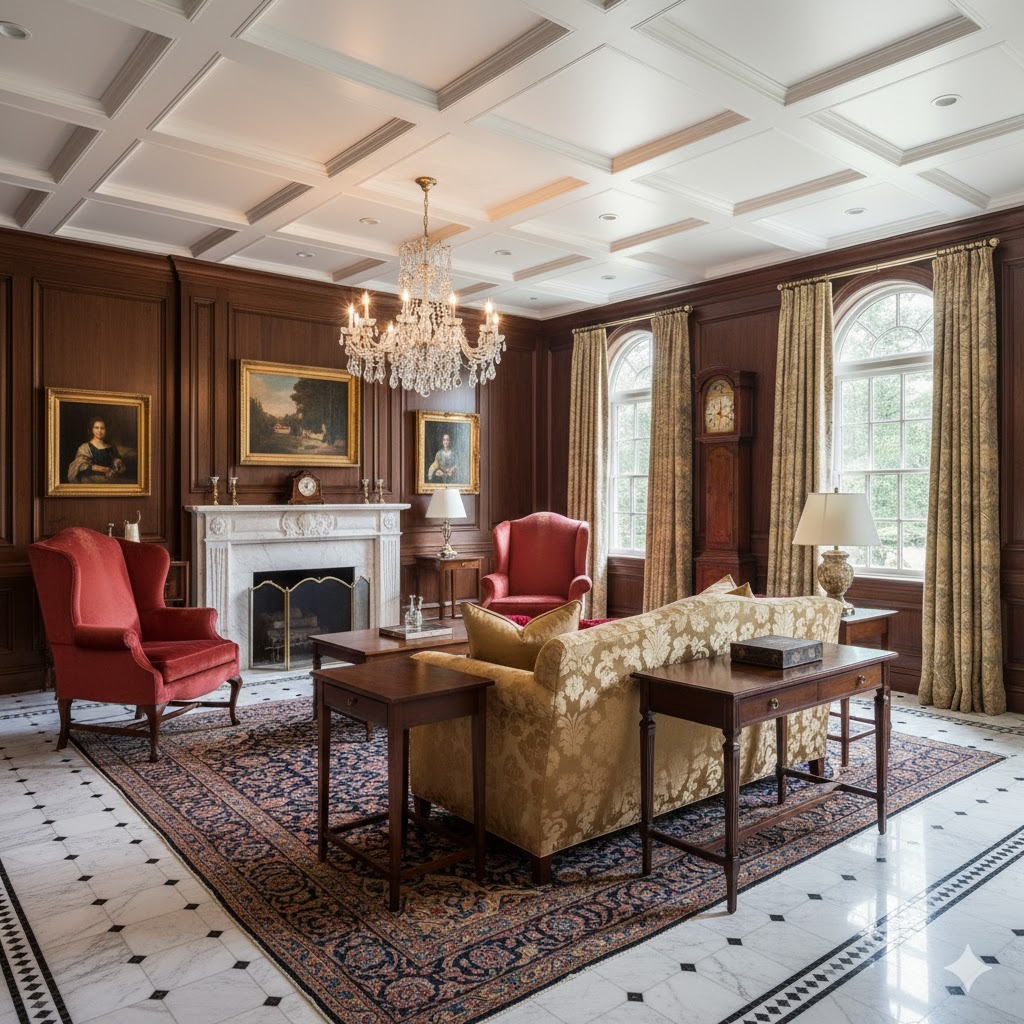
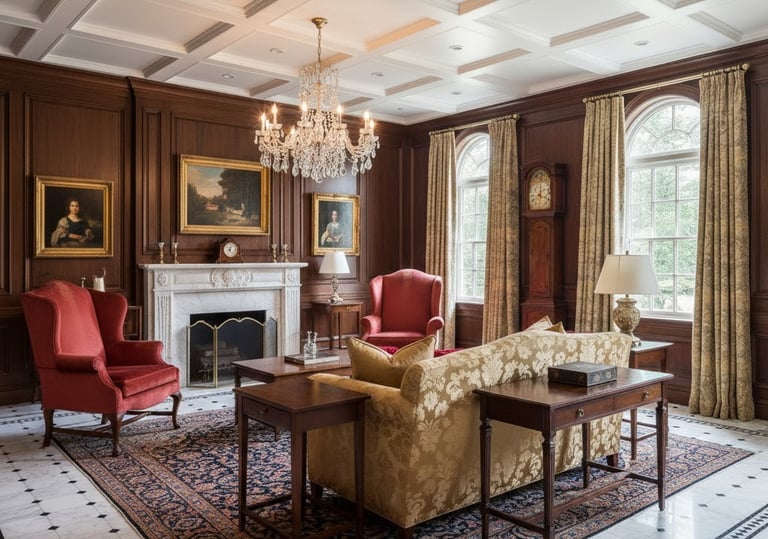
Order & Symmetry: The layout is typically centered around a focal point (like a fireplace) to create a sense of formal balance.
Warm & Inviting: While formal, the style is designed to be comfortable and lived-in, never feeling cold or rigid.
Timelessness: It aims for a "permanent" look that feels collected over time rather than modern or trendy.
Material & Design Elements
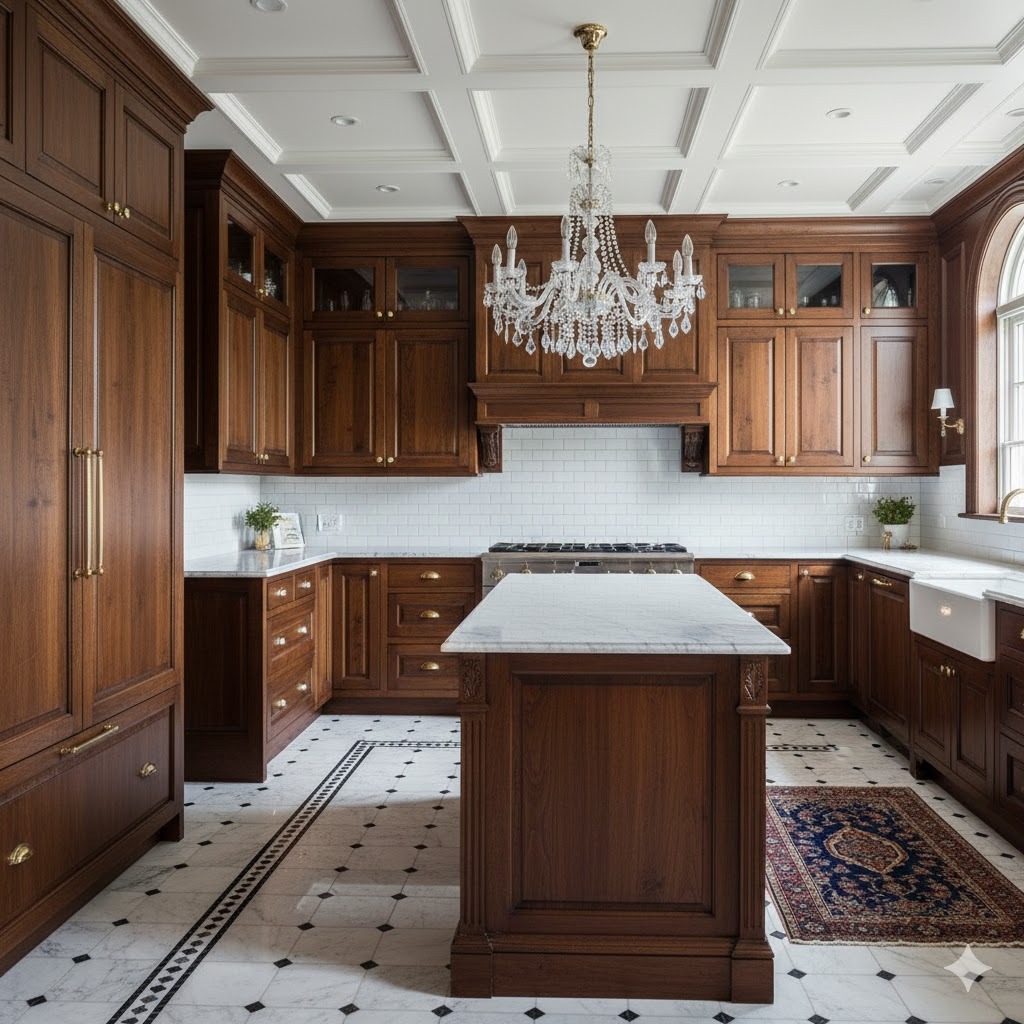
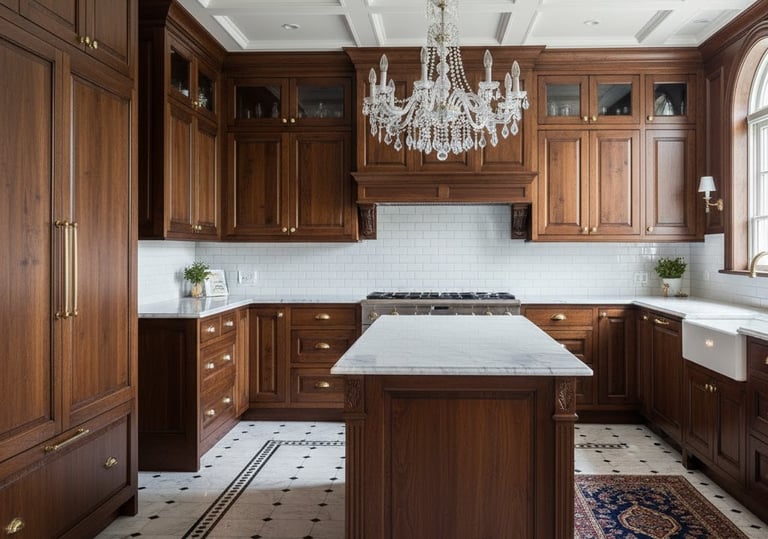
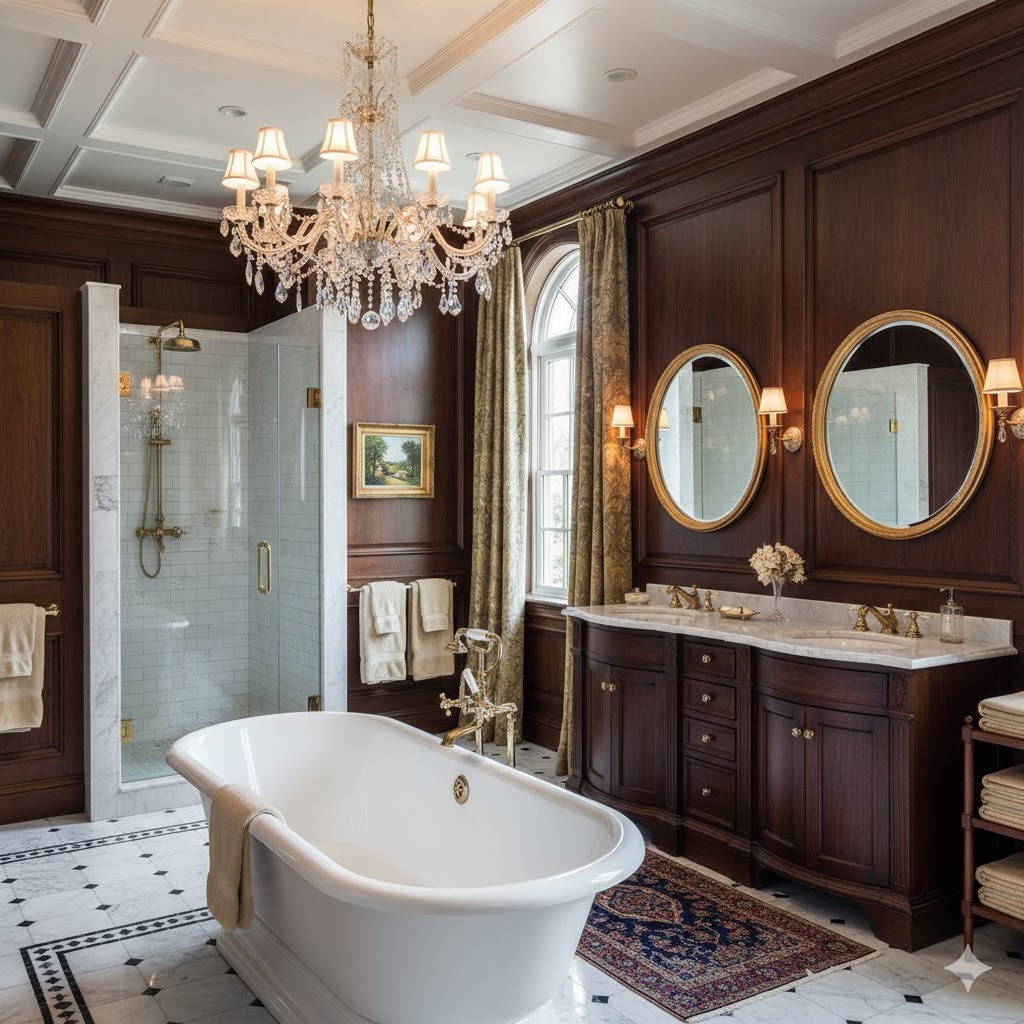
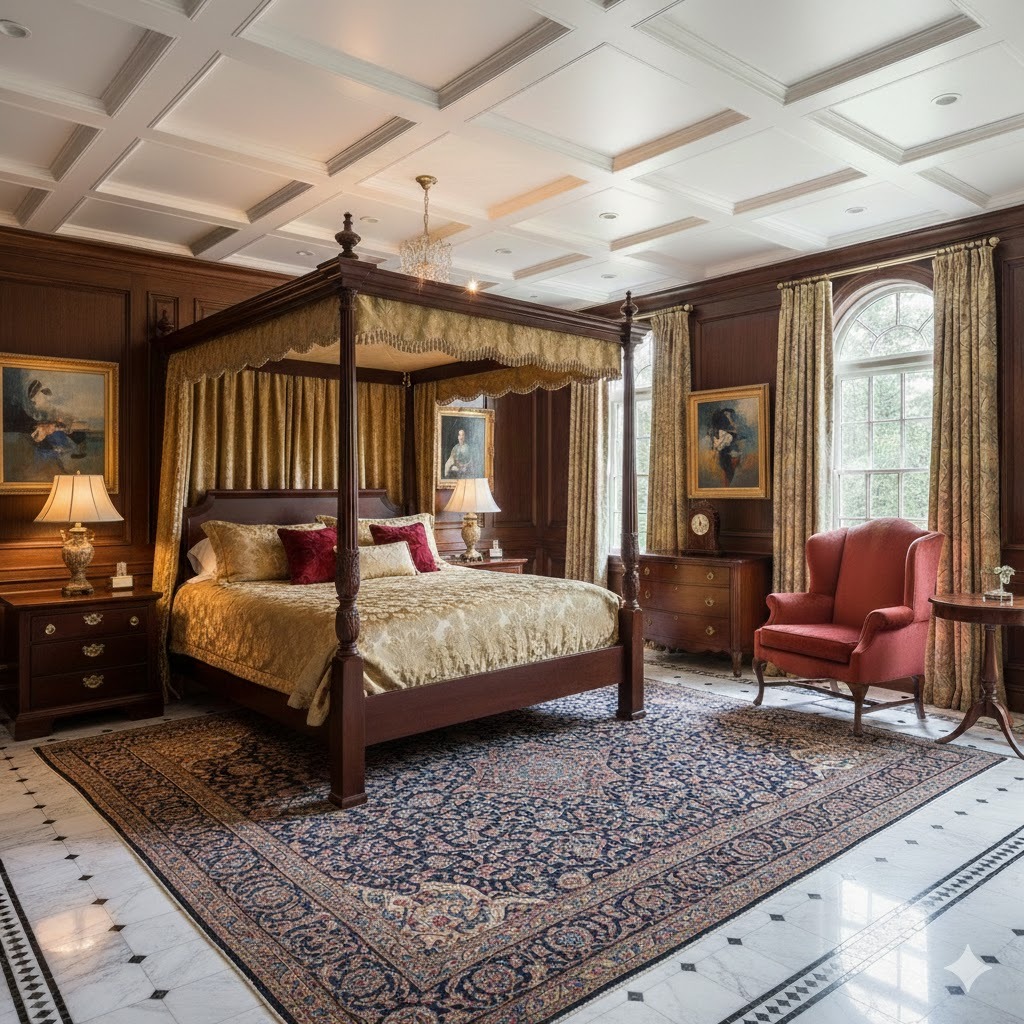
Woodwork: Features dark, warm tones like Mahogany, Cherry, Walnut, and Oak. Architectural details such as crown moldings, wainscoting, and wall paneling are essential.
Textiles: Uses luxurious, heavy fabrics including Silk, Velvet, and Damask. Common patterns include florals, stripes, plaids, and paisley.
Metals & Lighting: Prefers polished finishes like Brass, Gold, and Silver. Crystal chandeliers and classic sconces add a touch of elegance.
Decor: Often includes oil paintings in gilded frames, fine china, and leather-bound books.
Why It Remains Popular
Stability: Conveys a sense of permanence and tradition.
Comfort: The symmetry and warm materials create a calming, cozy atmosphere.
Heritage: It provides a perfect backdrop for heirlooms and antique collections, suggesting status and respect for the past.
When to Choose This Style
Architectural Fit: Best for homes with historic character (Colonial, Victorian, Georgian).
Room Layout: Ideal for those who prefer defined, separate rooms rather than open-plan living.
Furniture Scale: Suits larger spaces that can accommodate substantial pieces like wingback chairs and solid wood dining tables.
Living Room
Kitchen
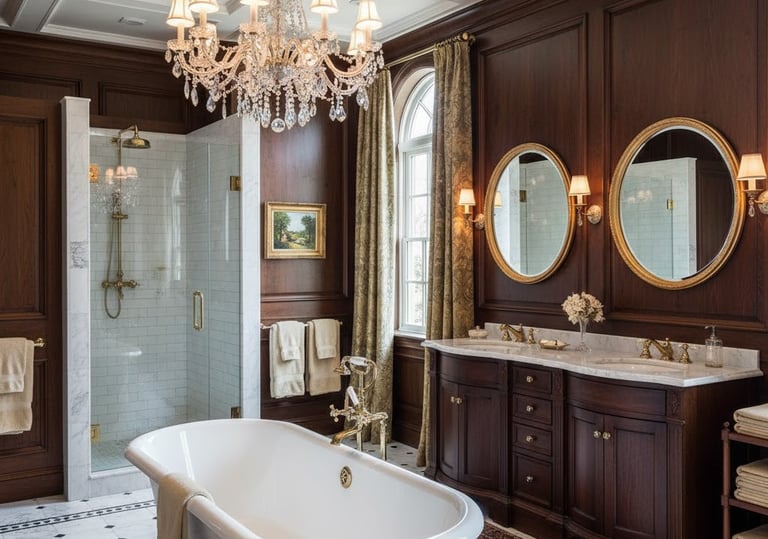
Bathroom
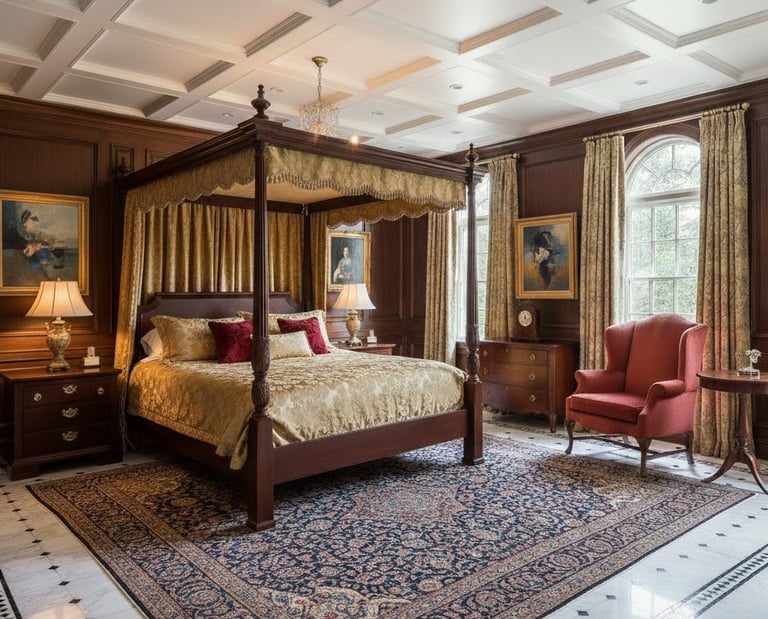
Bedroom
Get in Touch
hello@appleandblueberry.com
© 2025. All rights reserved.