
What Is Shabby Chic Interior Design?
Shabby Chic interior design is a romantic, vintage-inspired style that celebrates the beauty of imperfection. It originated in 1980s England, particularly through the influence of Rachel Ashwell, who popularized the aesthetic by combining flea-market finds with soft, feminine interiors. The style emerged as a reaction against the fast-paced consumer culture and overly polished interiors of the time, promoting comfort, nostalgia, and sustainability through reuse.
Key Characteristics
Soft Romantic Aesthetic:
The overall mood is light, airy, and feminine, often evoking a cozy countryside cottage or a vintage Parisian apartment.
Celebration of Imperfection:
Scratches, chipped paint, and weathered finishes are not flaws—they are essential design features that add authenticity and charm.
Layered Comfort:
Spaces are designed to feel inviting and relaxed, with multiple layers of textiles, cushions, and decorative elements.
Material & Design Elements
Distressed Furniture:
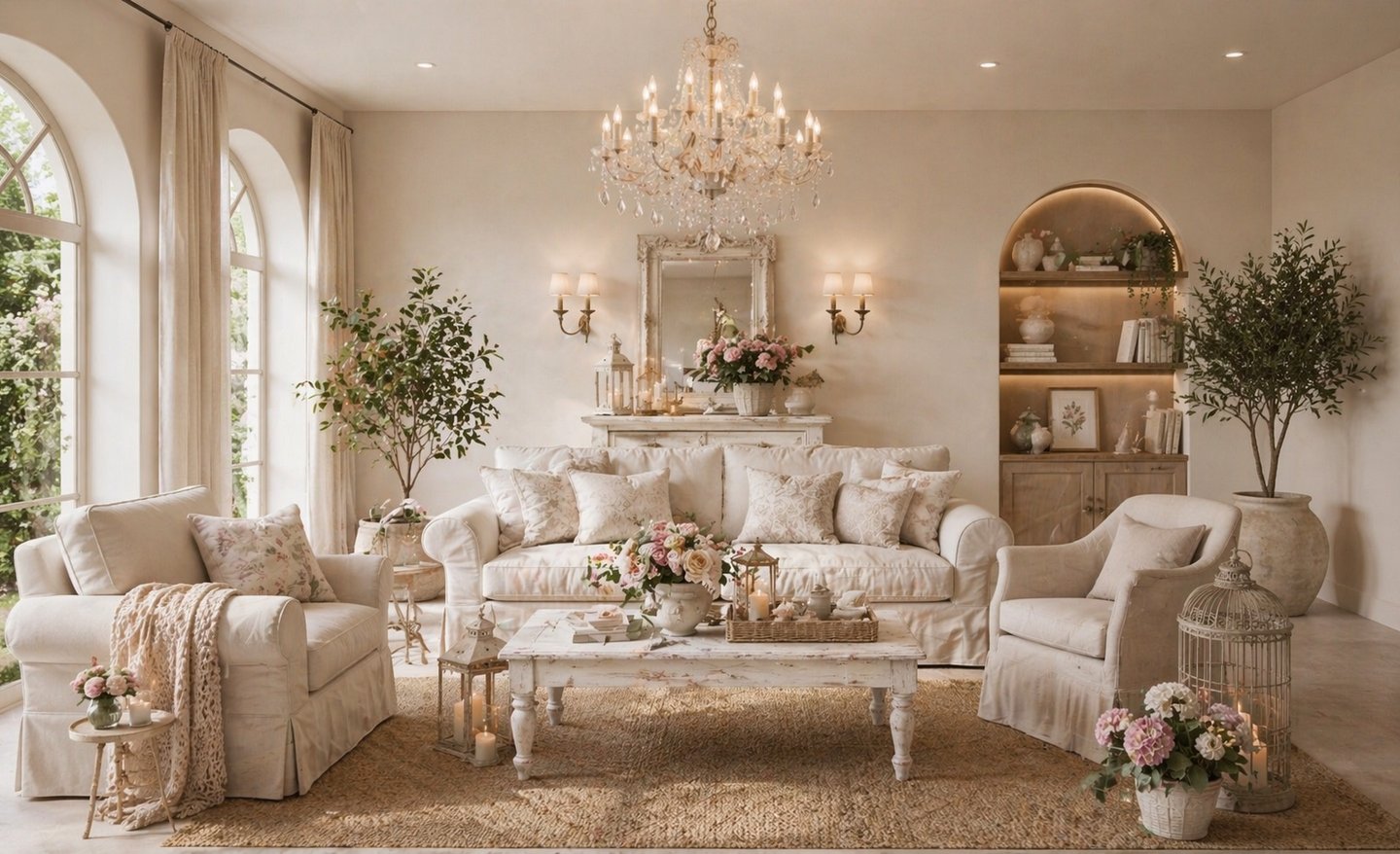
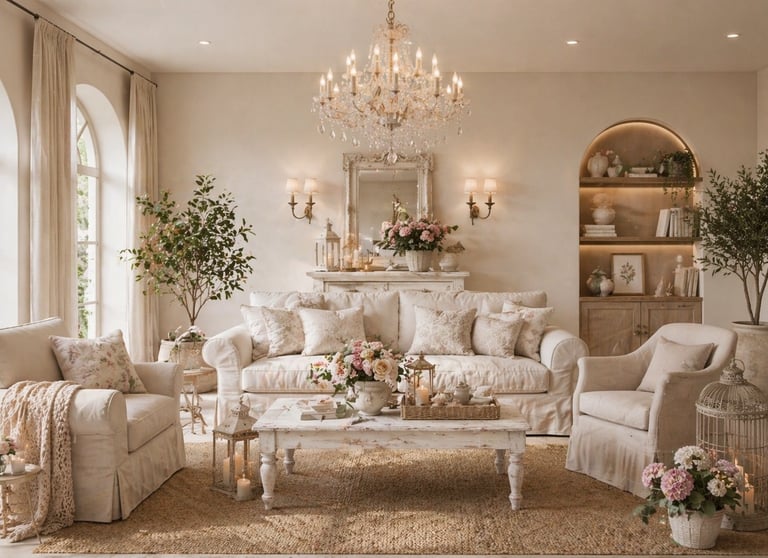
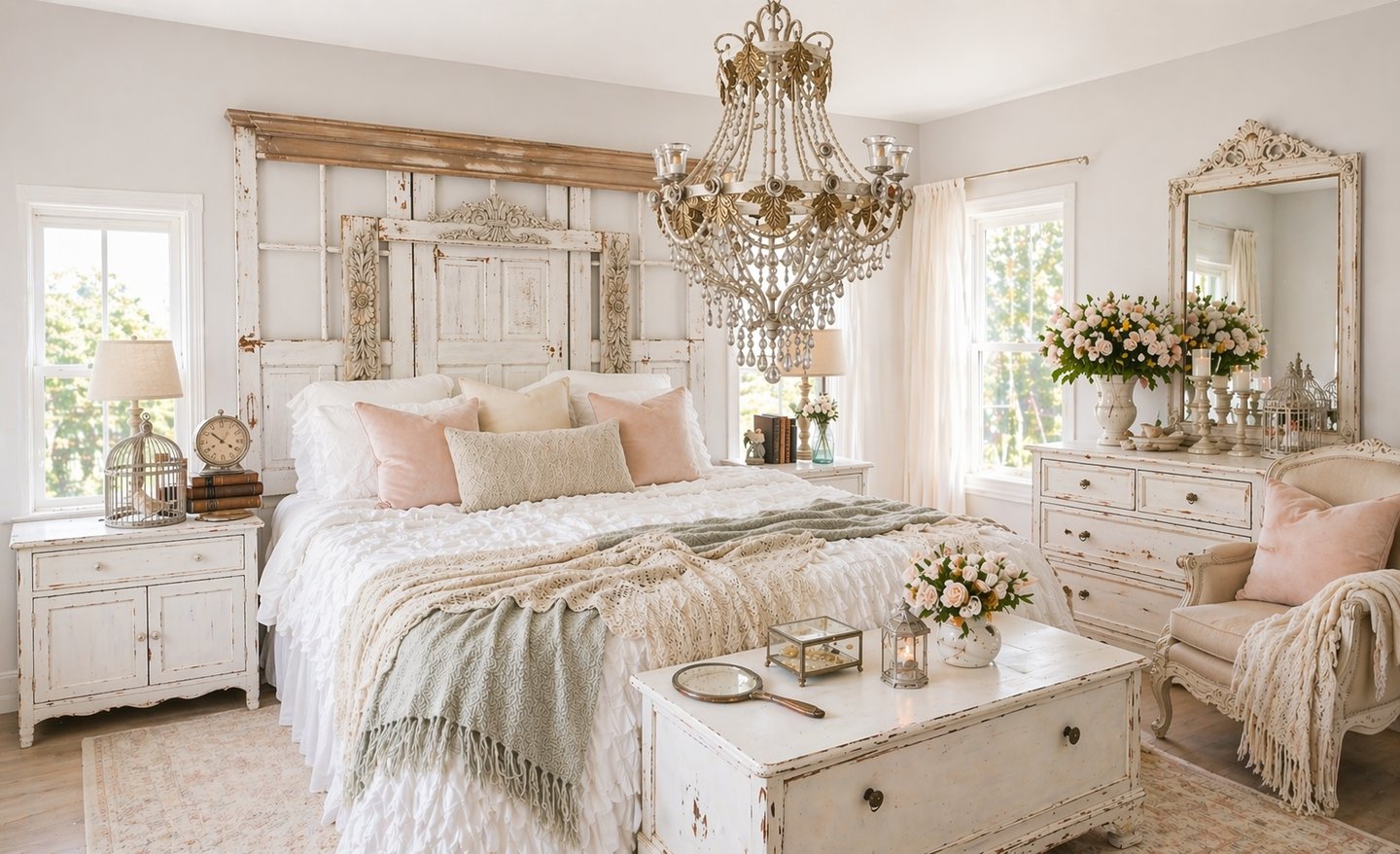
Furniture is typically wooden and intentionally aged through techniques like sanding or whitewashing. Common pieces include vintage dressers, ornate bed frames, and repurposed items like old doors used as headboards.
Delicate Textiles:
Fabrics such as linen, cotton, lace, and muslin are widely used. Floral patterns, ruffles, and embroidery add softness and detail.
Antique & Vintage Accessories:
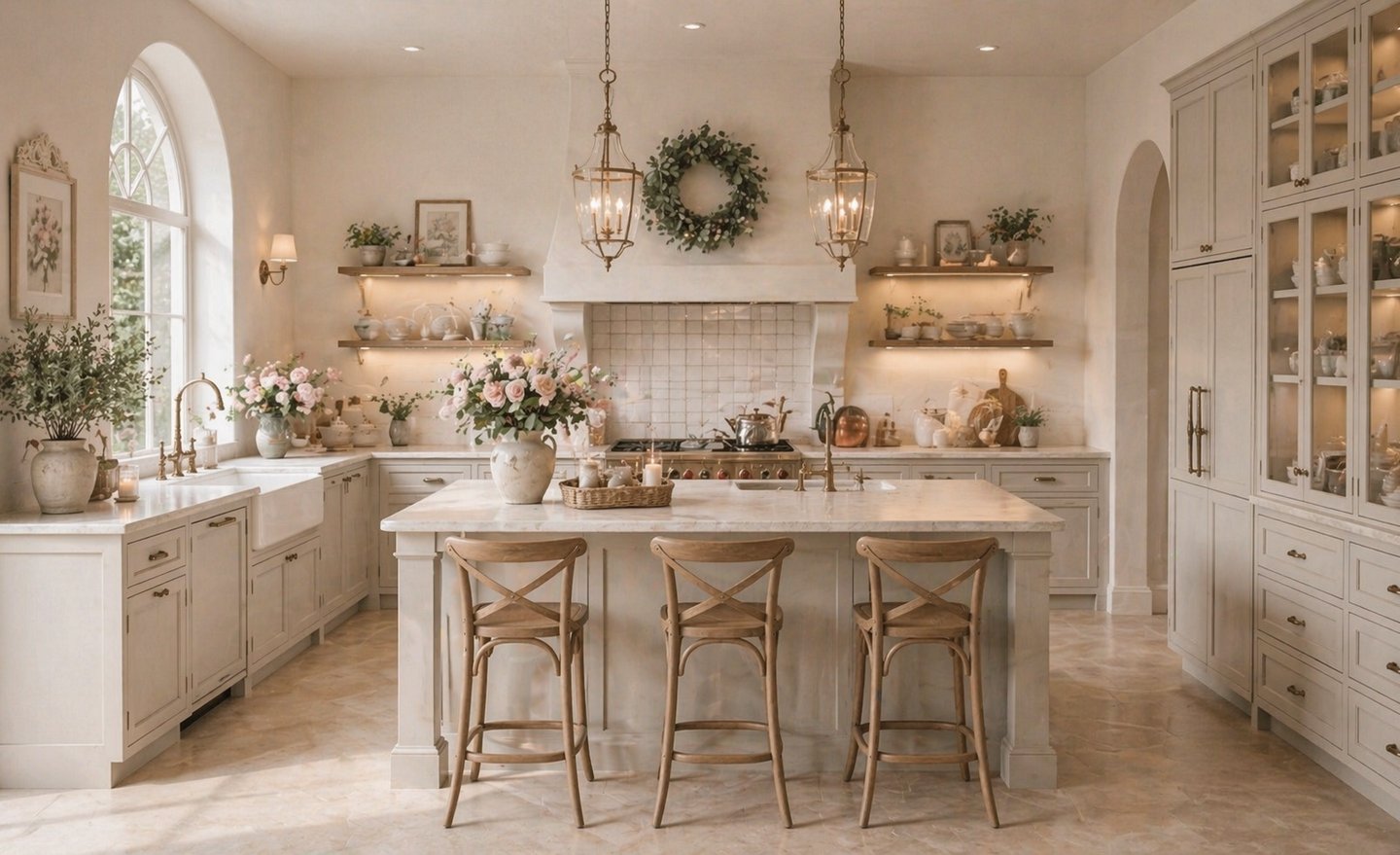
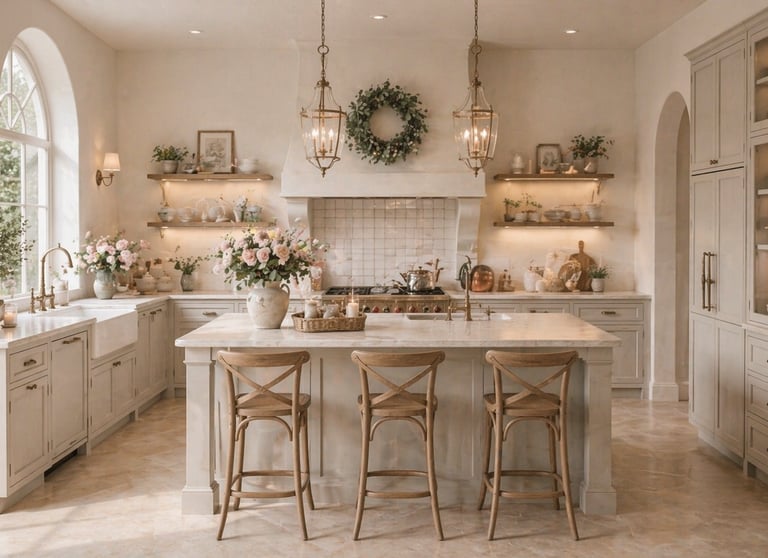
Decor includes chandeliers, mirrors with worn frames, porcelain items, and flea-market finds that bring character and history into the space.
Light & Ornamental Details:
Curved lines, carved wood, and subtle decorative flourishes contribute to the elegant yet relaxed aesthetic.
Shabby Chic Color Palette
The Shabby Chic palette is soft, muted, and romantic, avoiding bold contrasts in favor of gentle harmony.
The core tones include:
Soft White
The foundation color. Slightly warm and creamy rather than stark white, used for walls and furniture.
Pastel Pink
Adds a delicate, feminine touch without overpowering the space.
Muted Mint Green
Brings freshness and a subtle vintage feel.
Pale Lavender
A soft accent that enhances the romantic atmosphere.
Light Grey
Used to balance sweetness and add a neutral, calming layer.
Together, these tones create a dreamy, nostalgic environment that feels calm, elegant, and timeless.
Furniture Style
Vintage & Repurposed Pieces:
Furniture often appears inherited or collected over time rather than purchased as a set.
Light-Toned Wood:
Unlike heavier rustic styles, Shabby Chic favors painted or lightly finished wood in whites and pastels.
Ornate Yet Soft:
Curved silhouettes and carved details are common, but always softened by color and finish.
Why It Remains Popular
Timeless Romantic Appeal:
Its soft and nostalgic aesthetic never goes out of style, especially for those seeking warmth over minimalism.
Sustainability & Reuse:
Encourages repurposing old furniture and decor, aligning with eco-conscious living.
Emotional Comfort:
Creates spaces that feel personal, cozy, and emotionally inviting rather than sterile or overly designed.
When to Choose This Style
Cozy & Intimate Spaces:
Ideal for bedrooms, cottages, and smaller living areas where comfort and softness are prioritized.
Vintage Enthusiasts:
Perfect for those who enjoy flea markets, antiques, and DIY furniture transformations.
Bright Interiors:
Works best in spaces with good natural light, which enhances the soft color palette and airy feeling.
Lifestyle Fit:
Best suited for individuals who value warmth, nostalgia, and a slightly eclectic, lived-in environment over strict modern order.
Living Room
Kitchen
Bedroom
Bathroom
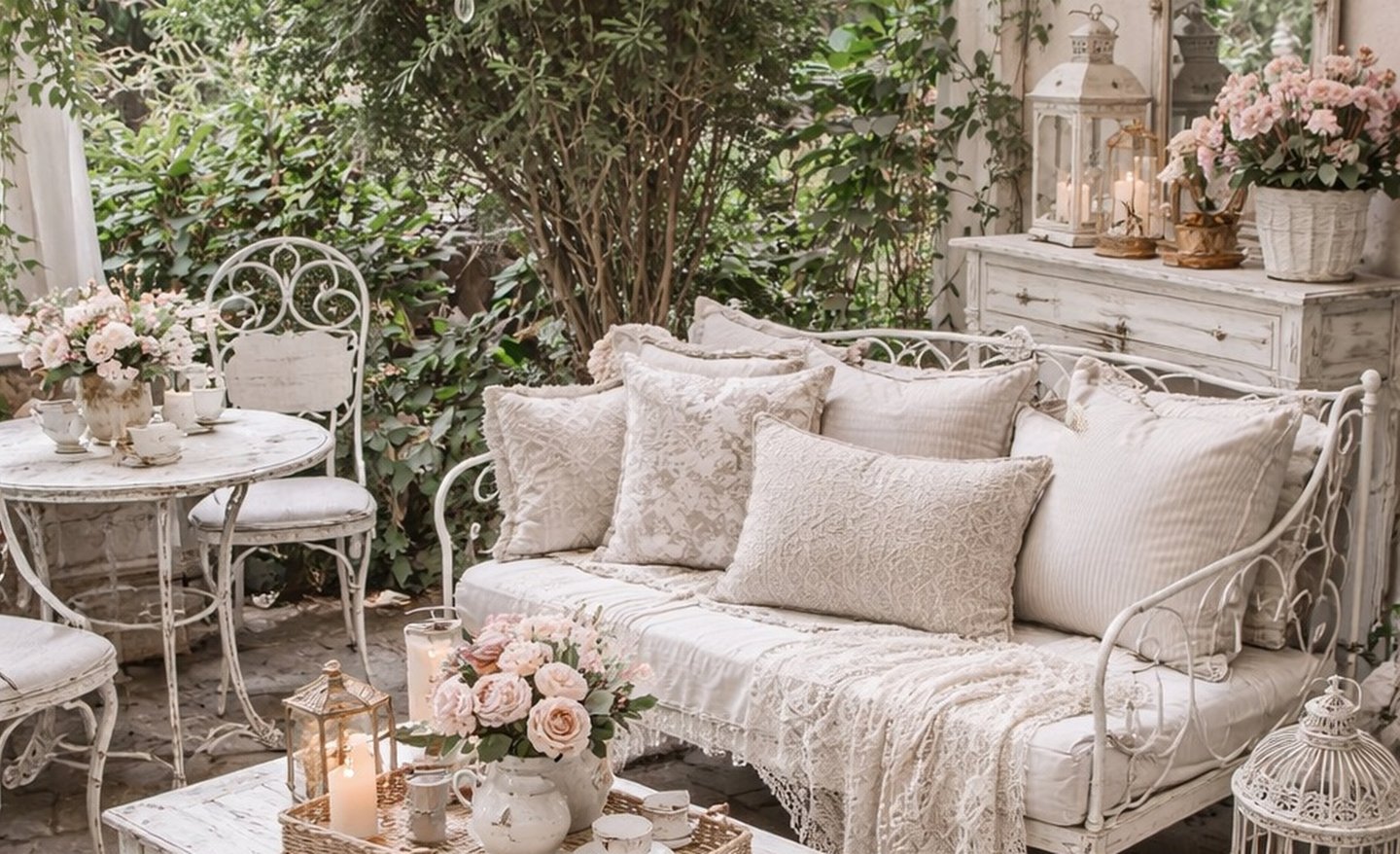
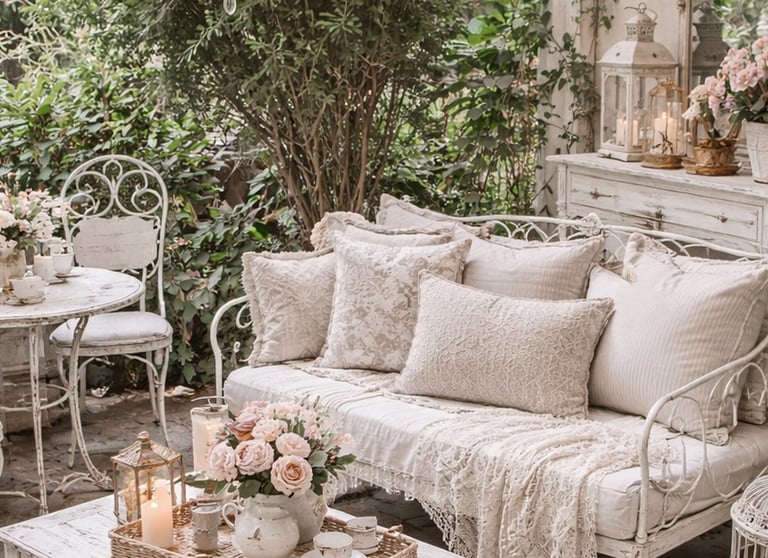
Patio
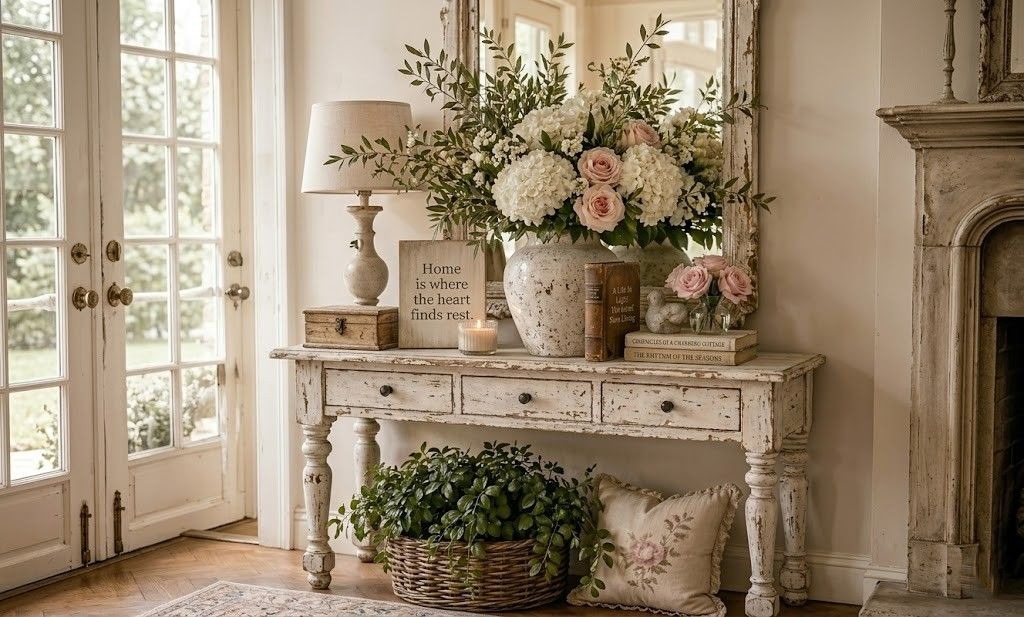
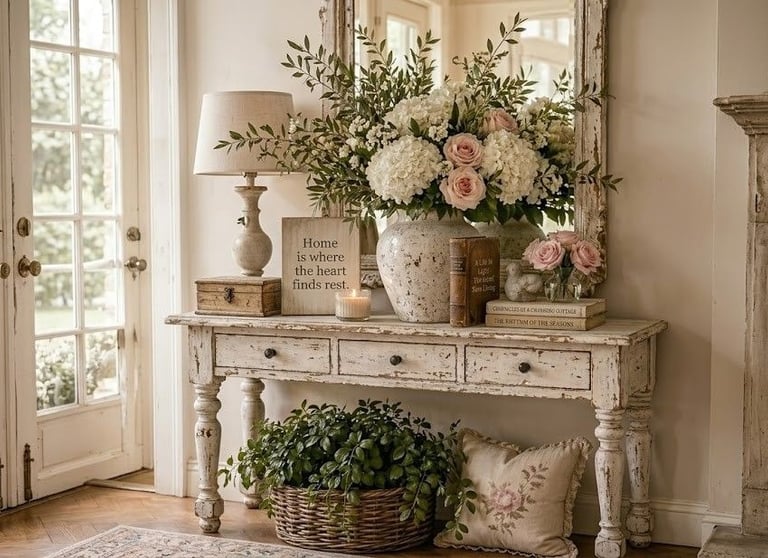
Entryway
Shop the Look
Stone Coffee Table
Get in Touch
hello@appleandblueberry.com
© 2025. All rights reserved.