
What Is Memphis Interior Design?
Memphis Design is a radical, postmodern style that emerged in the early 1980s as a reaction against the cold, functionalist approach of Mid-Century Modernism and Minimalism. Founded by Ettore Sottsass and the Memphis Group, it is a celebration of the "anti-design" movement—embracing kitsch, humor, and vibrant energy. It is characterized by its bold use of color, clashing patterns, and sculptural, often unconventional, forms.
Key Characteristics
Geometric Asymmetry: The layout is defined by a chaotic yet intentional arrangement of shapes. Triangles, spheres, and squiggles are often combined in ways that defy traditional architectural logic.
Vibrant & Clashing Colors: Rejects neutral palettes in favor of a "more is more" approach. It features high-contrast combinations like primary colors paired with neon or pastel tones.
Whimsical Patterns: Utilizes highly recognizable graphic patterns, such as the "Bacterio" squiggle, leopard prints, and bold stripes, often layered on top of one another.
Material & Design Elements
Plastic Laminates & Terrazzo: A signature of the style. Memphis designers took humble, everyday materials like colorful laminates and terrazzo and transformed them into high-end furniture and surfaces.
Sculptural & Tubular Metals: Features furniture with thick, rounded metal legs or tubular frames, often painted in bright, glossy primary colors to emphasize their artificiality.
Neon & Graphic Lighting: Lighting is treated as a piece of art, often incorporating neon tubes, geometric glass shapes, and unconventional silhouettes that cast a playful glow.
Diverse Textiles: Uses synthetic and bold natural fabrics that prioritize visual impact over tactile subtlety. You will often find loud, graphic-printed upholstery that serves as the room's focal point.
Why It Remains Popular
Unapologetic Joy: It provides an antidote to the "seriousness" of traditional design, creating spaces that feel playful, high-energy, and full of life.
Nostalgic Appeal: For many, the style evokes the optimism and digital aesthetic of the 1980s, making it a favorite for those who love retro-futurism.
Personal Expression: It offers the ultimate freedom to break rules, allowing homeowners to express a bold, artistic personality that doesn't conform to mainstream standards.
When to Choose This Style
Statement Spaces: Best for rooms where you want to make a dramatic impression, such as a creative studio, a home office, or a standalone accent living room.
Creative Personalities: Ideal for those who view their home as a canvas for self-expression and aren't afraid of visual noise or clashing elements.
Non-Traditional Interiors: Suits modern lofts or retail environments where the architecture can handle the scale and energy of such monumental and colorful pieces.
Living Room
Kitchen
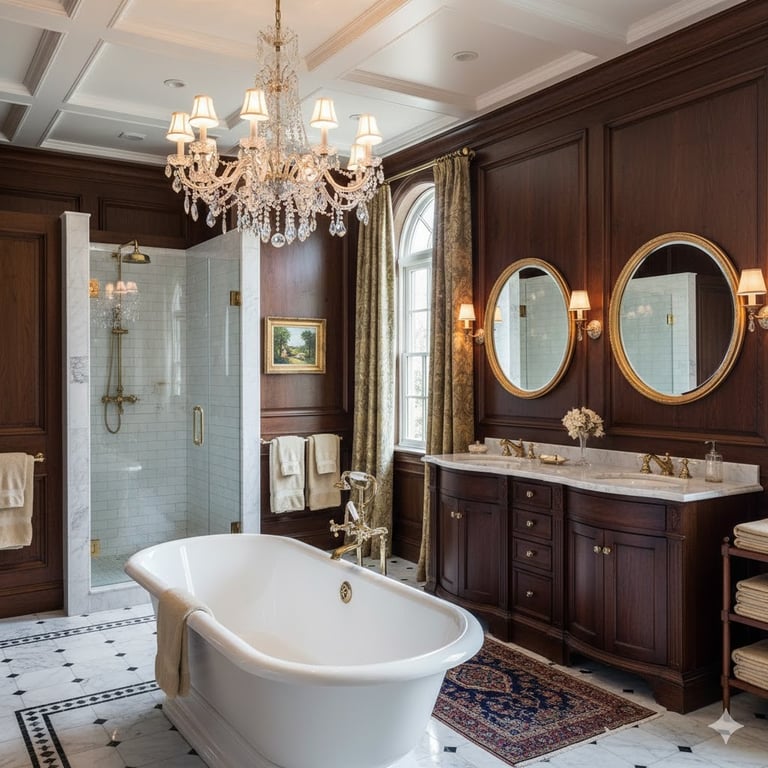
Bathroom
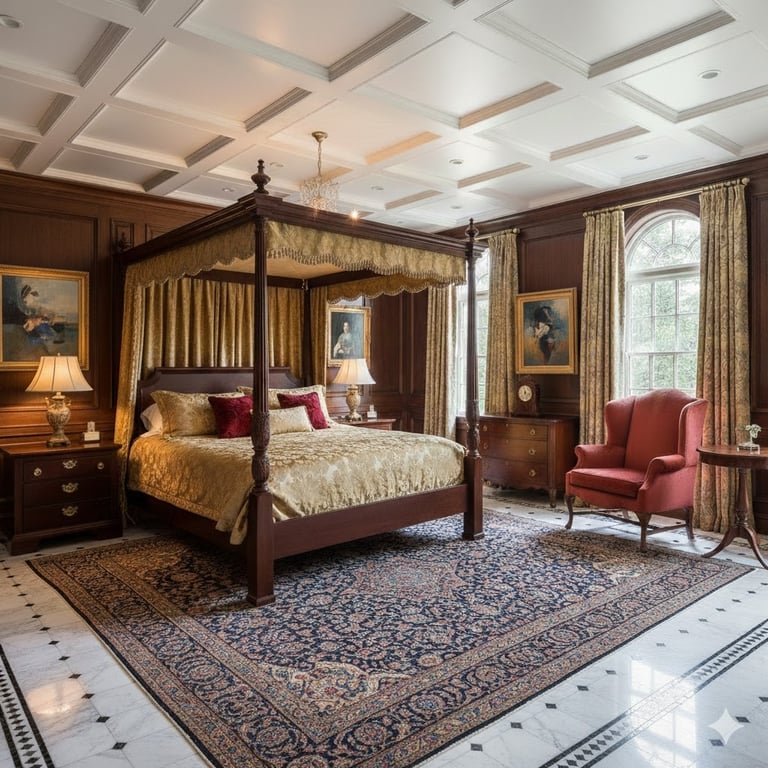
Bedroom
Get in Touch
hello@appleandblueberry.com
© 2025. All rights reserved.