
Japandi Interior Design
What It Is
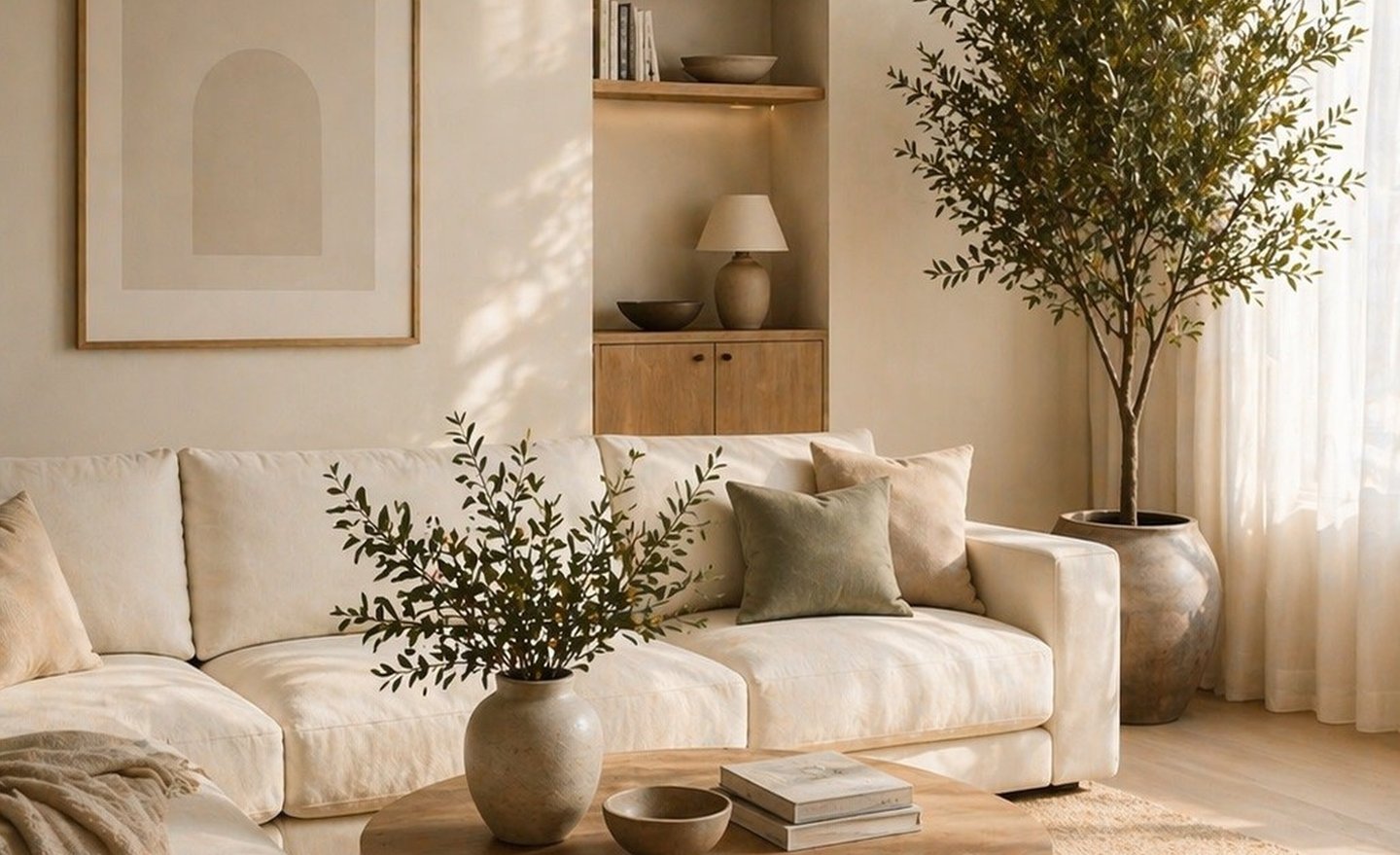
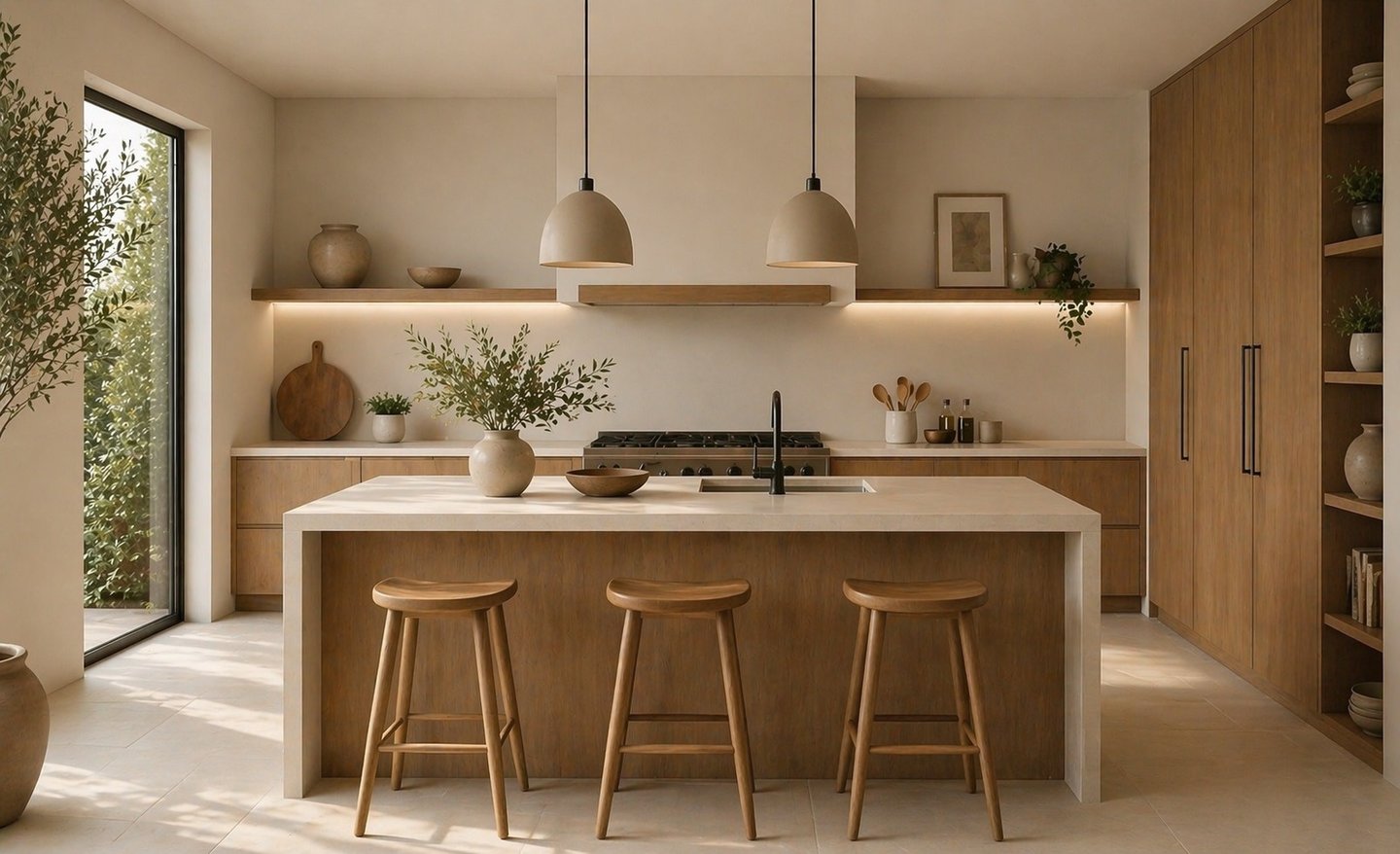
Japandi interior design is a harmonious fusion of Japanese minimalism and Scandinavian functionality, refined through the lens of warm, intentional living. It masterfully combines the quiet restraint and philosophical depth of Japanese aesthetics—specifically the concept of Wabi-Sabi—with the soft comfort and practicality of Nordic design (Hygge). Rather than a stark or clinical minimalism, Japandi embraces a warmer, more human approach where simplicity is balanced with rich texture, and calmness is paired with subtle emotional depth.
Key Characteristics
Calm Simplicity: Spaces are intentionally uncluttered yet never feel empty; the layout focuses on essential forms that create both visual clarity and effortless functional ease.
Warm Naturalism: Replaces cold, industrial surfaces with a soft, earthy palette and tactile organic materials, bringing a sense of approachability and life into the design.
Balanced Functionality: Represents the intersection of Scandinavian practicality and Japanese mindfulness, where every piece of furniture is both highly useful and aesthetically intentional.
Quiet Harmony: The overall atmosphere is designed to evoke stillness and balance, fostering a deeper, more grounded connection between the inhabitant and the physical space.
Material & Design Elements
Natural & Authentic Materials: Relies on high-quality woods (especially white oak, walnut, and ash), bamboo, stone, and handcrafted ceramics to emphasize a connection to the earth.
Wabi-Sabi Influence: Celebrates the beauty of imperfection through organic textures, such as raw wood grains or uneven ceramic surfaces, adding soul and character to the room.
Clean Architectural Lines: Defined by simple, uninterrupted surfaces and a lack of unnecessary ornamentation, allowing the quality of the materials and proportions to stand out.
Layered Textures: Soft textiles—such as linen curtains, cotton cushions, and wool rugs—are used sparingly to provide warmth and comfort without introducing visual "noise."
Soft, Diffused Lighting: Prioritizes natural light, complemented by warm artificial sources like paper lanterns or subtle ambient fixtures that cast a gentle, atmospheric glow.
Low-Profile Furniture: Features furniture that sits closer to the ground with softened edges and simple silhouettes, reinforcing a sense of stability, peace, and traditional Japanese seating culture.
Japandi Color Palette
The Japandi palette is muted, earthy, and deeply calming. It is rooted in nature and designed to create seamless tonal harmony by blending Scandi neutrals with darker, grounded Japanese tones.
Warm White & Soft Cream A gentle, luminous base that keeps the space feeling bright and airy while maintaining a welcoming warmth.
Beige & Sand Tones Earthy neutrals that provide subtle richness and a sandy texture, bridging the gap between wood and fabric.
Muted Greys & Taupe Balanced, sophisticated tones that provide visual structure and a sense of modern refinement.
Natural Wood Shades From light-bleached oak to deep, chocolatey walnut, these tones bring organic life and essential warmth into the interior.
Soft Greens & Charcoal Accents Desaturated hues inspired by forests and stone, used sparingly to add depth, contrast, and a final layer of sophistication.
Why It Remains Popular
Emotional Balance: It creates interiors that feel restorative and peaceful, offering a much-needed retreat from the overstimulating nature of modern digital life.
Timeless Aesthetic: By relying on high-quality natural materials and classical proportions, Japandi transcends passing trends and maintains its elegance for years.
Sustainable Mindset: Encourages a more conscious form of consumption, valuing craftsmanship, durability, and the philosophy of owning "fewer but better" objects.
When to Choose This Style
Modern & Open-Plan Living: Ideal for contemporary homes and apartments seeking a sense of clarity, warmth, and architectural flow.
Mindfulness-Centered Lifestyles: Perfect for individuals who value simplicity, intentionality, and a slower, more meditative pace of living.
Natural Light Environments: Works exceptionally well in spaces with abundant daylight, which allows the subtle textures and natural wood grains to be fully expressed.
Compact & Urban Interiors: Helps smaller footprints feel significantly more open, breathable, and intentionally designed by eliminating clutter and preserving negative space.
Living Room
Kitchen
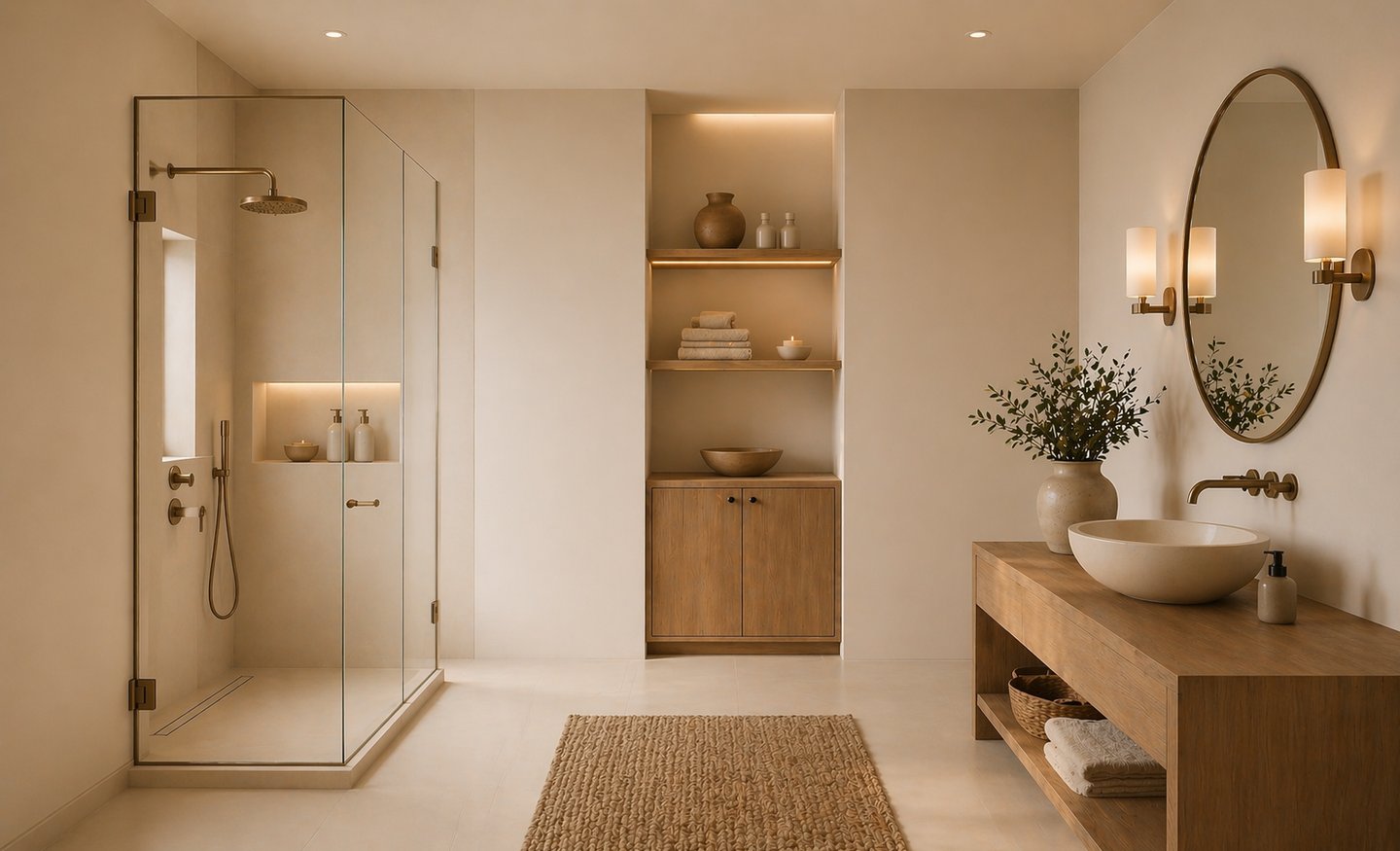
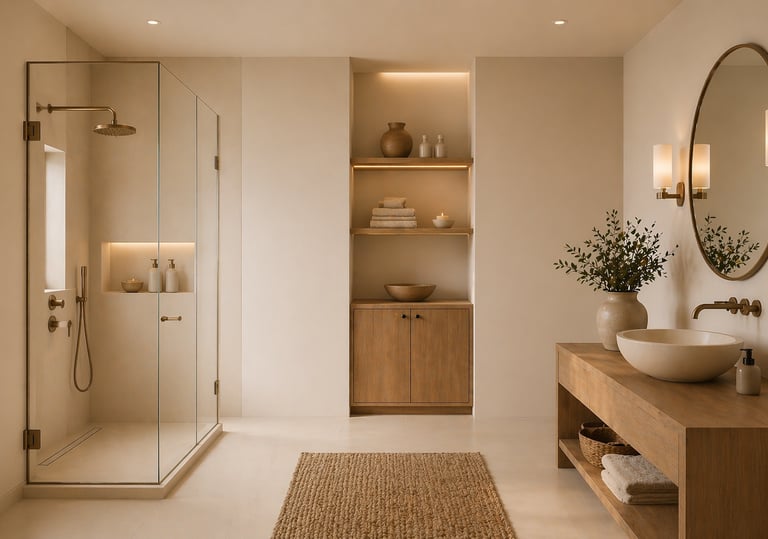
Bathroom
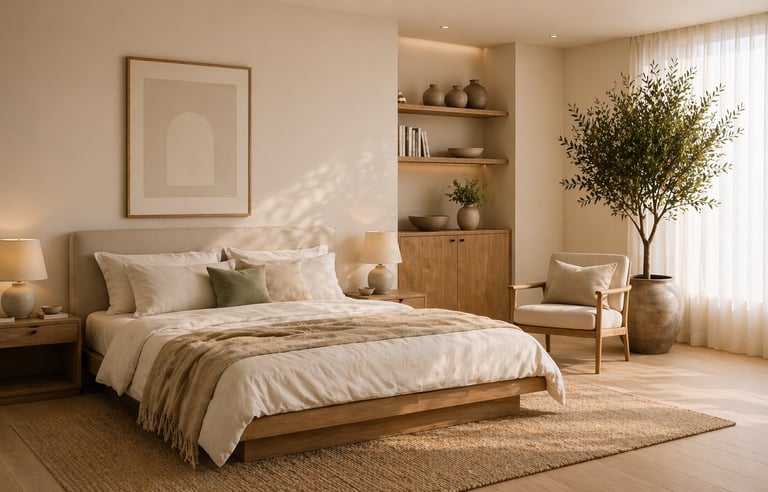
Bedroom
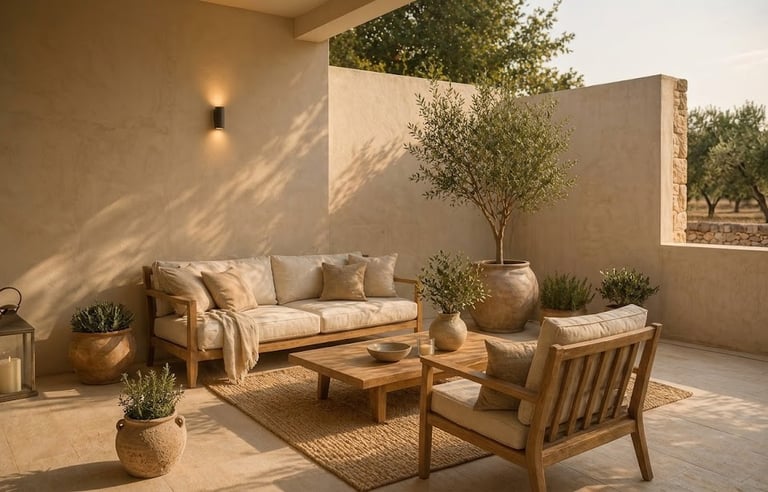
Patio
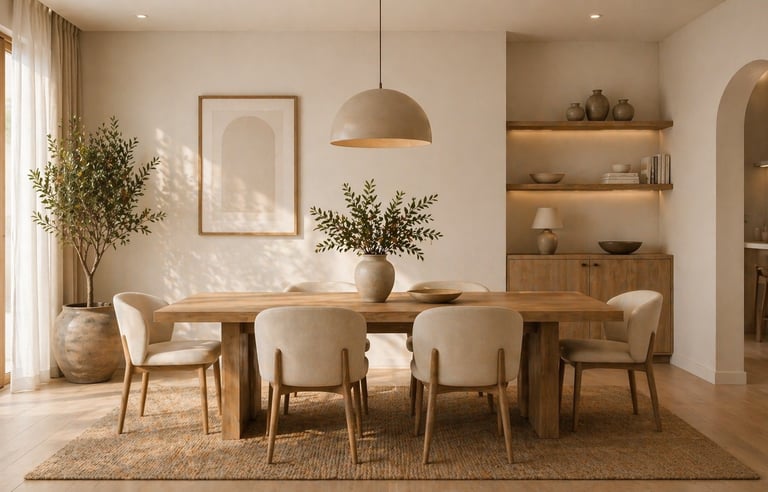
Dining Room
Shop the Look
Stone Coffee Table
Get in Touch
hello@appleandblueberry.com
© 2025. All rights reserved.