
What Is Industrial Interior Design?
Industrial interior design is a raw, utilitarian aesthetic that draws inspiration from the functional spaces of the Industrial Revolution, such as old factories and warehouses. It celebrates "unfinished" beauty and structural mechanics, creating a look that is edgy, masculine, and historically rooted. It is a style that finds elegance in the exposure of elements traditionally hidden behind drywall or plaster.
Key Characteristics
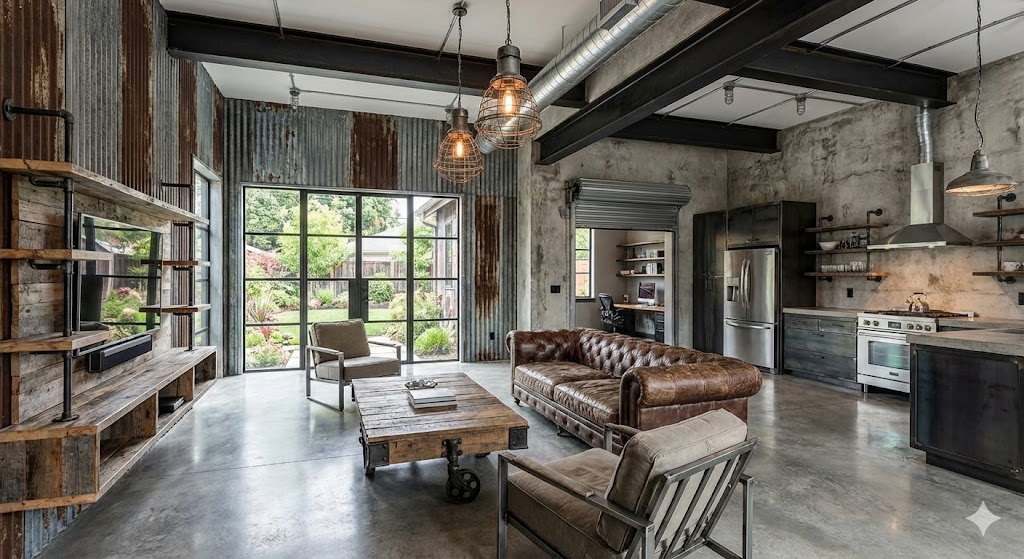
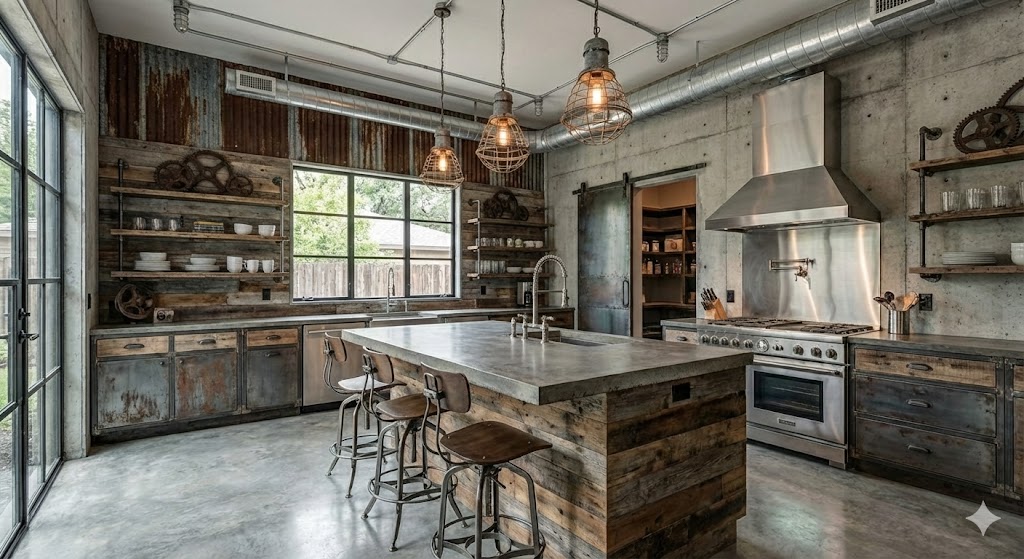
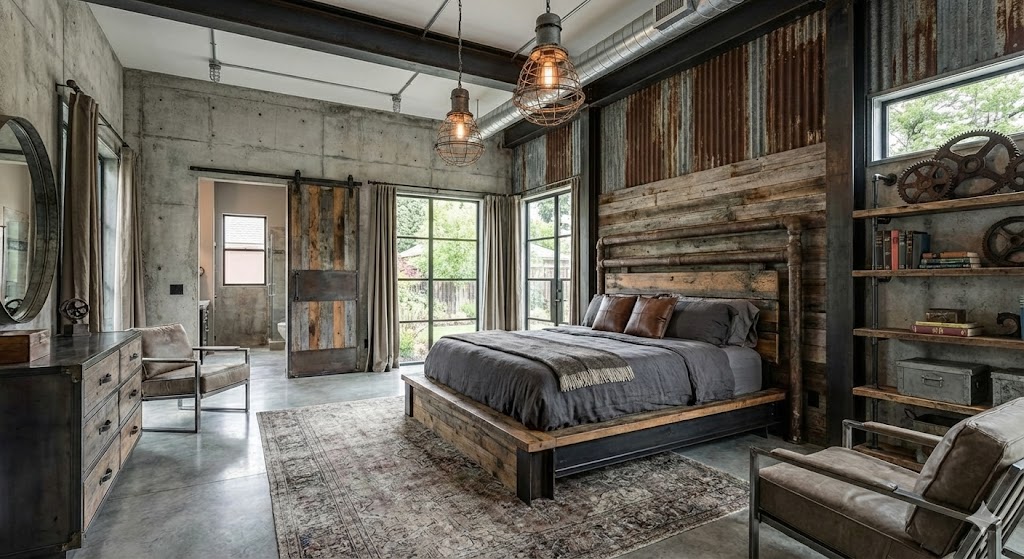
Exposed Structural Elements: The layout is defined by the visibility of the building's "bones," including ductwork, pipes, support beams, and raw brick walls.
Open & High-Volume Layouts: Mimics the vastness of manufacturing plants with open floor plans and high ceilings, creating a sense of architectural freedom and scale.
Unpretentious Honesty: Rejects unnecessary ornamentation in favor of a functional, "what-you-see-is-what-you-get" atmosphere that values structural integrity.
Material & Design Elements
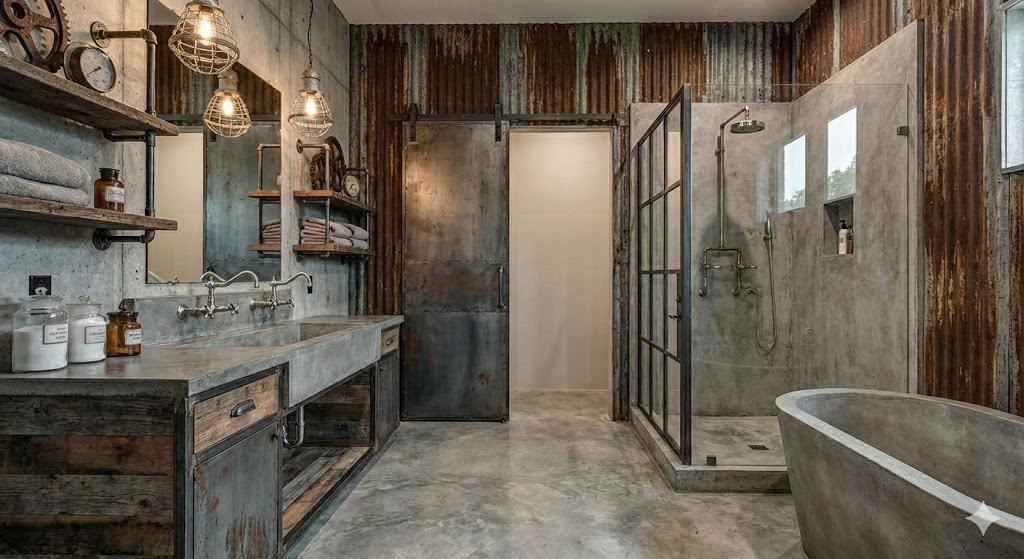
Raw Construction Materials: Features the heavy use of exposed red brick, poured concrete floors, steel beams, and iron hardware. These materials are often left in their natural, unrefined state.
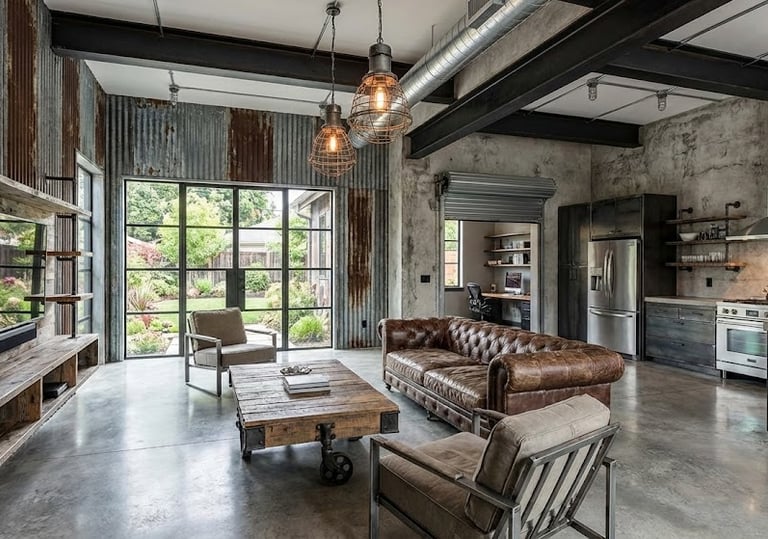
Metal & Reclaimed Wood Furniture: Furniture typically blends rugged textures, such as reclaimed wood tables with cast iron legs or vintage-inspired leather Chesterfield sofas that suggest history and durability.
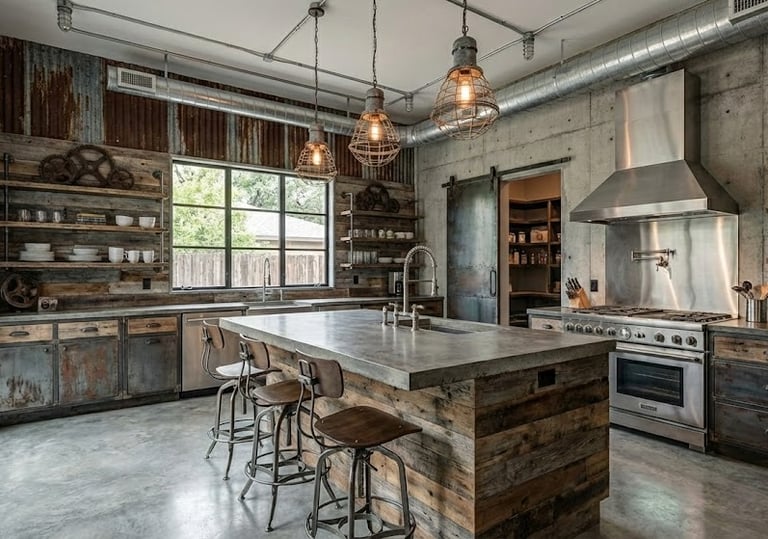
Factory-Inspired Lighting: A critical design element featuring oversized metal pendants, Edison bulbs, and lighting fixtures encased in wire cages to reinforce the warehouse aesthetic.
Moody & Neutral Palette: The color scheme is predominantly neutral and dark, relying on a sophisticated mix of grays, blacks, and deep browns, highlighted by the natural hues of rust, brick, and timber.
Why It Remains Popular
Authenticity & Character: It honors the history of a building and celebrates age and imperfection, providing a soulful alternative to "cookie-cutter" modern design.
Durability & Practicality: Due to the use of sturdy, heavy-duty materials, wear and tear often add to the character of the space rather than detracting from it, making it exceptionally low-maintenance.
Sense of Spaciousness: The emphasis on open-plan living and high ceilings creates a bright, airy, and expansive environment that appeals to urban dwellers.
When to Choose This Style
Urban & Converted Spaces: The natural choice for industrial lofts, converted warehouses, and city apartments with existing exposed structural features.
Creative & Commercial Environments: Ideal for home offices, creative studios, and commercial spaces like coffee shops or bachelor pads where a strong, edgy personality is desired.
Character Additions: Suitable for adding a rugged touch to standard homes in areas like basements, kitchens, or home gyms, though it may feel "cold" to those who prefer soft, plush, and highly finished surfaces.
Living Room
Kitchen
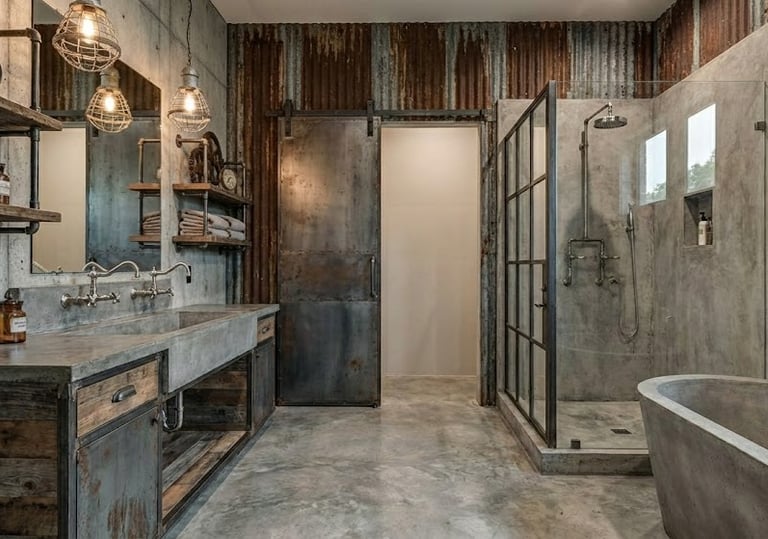
Bathroom
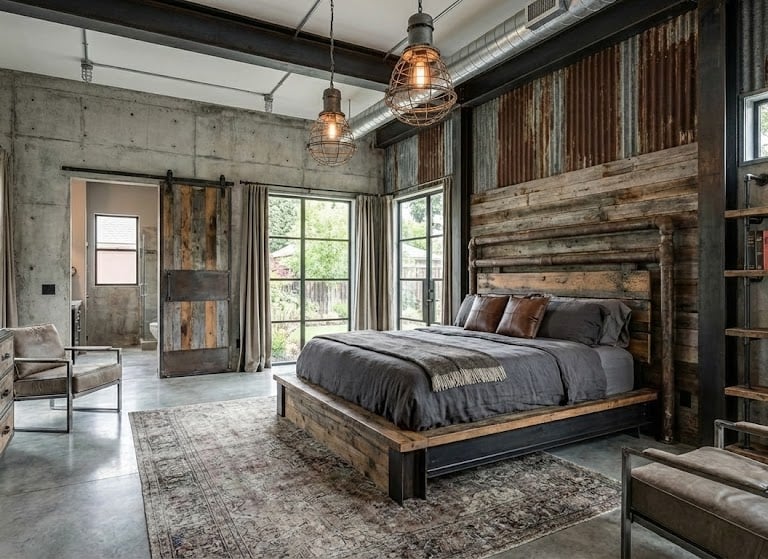
Bedroom
Get in Touch
hello@appleandblueberry.com
© 2025. All rights reserved.